
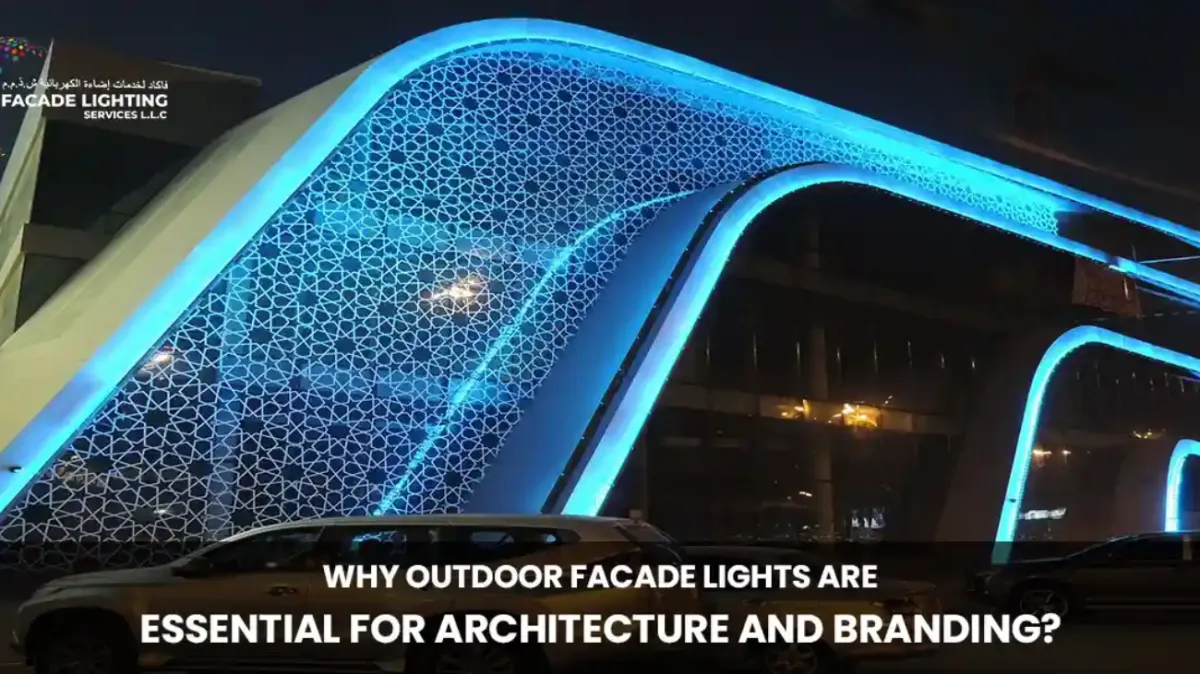
Architecture today goes far beyond structural design; it is a powerful storytelling tool that communicates identity, purpose, and emotion. In this evolving landscape, outdoor facade lights have become one of the most influential elements shaping how buildings are perceived during the night. Whether it’s a commercial tower, residential complex, hotel, retail store, or public structure, the way a facade is illuminated plays a decisive role in defining the building’s style and the brand it represents. At Facade Lighting Services, we believe that the right exterior illumination does far more than decorate a building—it elevates its architectural value and strengthens its brand presence.
Architectural lighting has now become a specialized domain, connecting beauty with functionality. The illumination of a structure directly affects its visibility, recognition, and emotional impact. This is why architects, designers, and developers worldwide are investing more time and effort into creating lighting concepts that represent their vision. With this rising demand, facade lights have become essential features in both modern and traditionally designed structures.
Every building has a visual identity, and lighting ensures this identity remains visible even after sunset. This is particularly important in metropolitan cities where structures compete for attention. Businesses and property developers understand that the presentation of a building significantly influences customer perception. This leads us to the role of façade illumination not only in aesthetics but in branding as well.
The Evolution of Facade Lighting in Modern Architecture
Architectural lighting has evolved rapidly over the past decade. What used to be a simple way to brighten exteriors has now transformed into an art form that enhances textures, shapes, patterns, and materials. This evolution is visible in regions like India, where facade lighting in India has seen exponential growth due to urban expansion and the rise of premium commercial and residential projects.
Today, lighting designers work closely with architects from the early planning stages. They study building forms, façade materials, climatic conditions, and the intended emotional response to craft a lighting strategy that complements the overall architecture. With high-efficiency LEDs, smart controllers, and dynamic color-changing technologies, modern façade concepts are capable of turning even ordinary buildings into visual landmarks.

This same evolution is visible in the Middle East, particularly through facade lighting in Dubai, a region known for futuristic architecture and extravagant lighting solutions. Dubai’s skyline is a global example of how façade illumination can be used for identity, tourism, entertainment, and branding. Buildings don’t just look beautiful; they become part of a city’s cultural fabric.
The increasing demand for customized, efficient, and reliable lighting solutions has encouraged building owners and developers to explore new methods of exterior illumination. As technology advances, the possibilities are becoming endless.
How Facade Lighting Enhances Architectural Features?
A building’s exterior design includes various elements such as pillars, cornices, balconies, textures, elevations, edges, and materials. The strategic placement of facade lighting ensures that each of these architectural features is highlighted in a way that elevates the building’s personality.
Lighting can add depth to a flat surface, draw attention to important structural elements, and create dramatic contrasts that make the building more visually engaging. For example, a simple vertical beam of light on a tall pillar can emphasize height, while soft grazing light on a textured wall can reveal intricate design details that remain hidden during the day.
In addition to highlighting design elements, facade illumination plays a psychological role. Warm tones may be used for hospitality structures to evoke comfort and luxury, while cooler tones may be used for corporate buildings to project professionalism and stability. This emotional connection is what makes lighting such an essential part of the architectural experience.
The Role of Outdoor Lighting in Creating Nighttime Identity
In daylight, architecture speaks through materials, shapes, colors, and scale. But at night, lighting becomes the building’s language. Cities across the world rely on outdoor lighting to define their skylines and enhance their nighttime ambience. A well-lit building stands out, creating a strong visual identity for residents and visitors alike.
Many iconic global landmarks are recognized mainly due to their nighttime illumination. From bridges to towers to heritage buildings, lighting transforms still structures into dynamic visual experiences. People subconsciously associate buildings with their lighting effects, whether it’s a glowing outline, soft wash lighting, or dramatic shadows.
The identity created by light is especially crucial for retail brands, hotels, and commercial spaces. For these industries, lighting is not just aesthetic; it is a marketing tool. Customers tend to be drawn toward well-lit, vibrant spaces. Thus, the right façade illumination contributes directly to footfall and brand recall, which is why building facade lighting is now considered a core branding strategy.
Why Facade Lighting Impact Branding and Visibility?
Branding is largely about perception. The way a brand presents itself determines how people interpret and interact with it. For businesses that operate from physical buildings, the façade becomes the first medium of communication. This is where impactful and memorable lighting designs come into the picture.
Good lighting increases visibility from long distances, making the building recognizable despite competing city lights. It ensures that the brand’s architectural presence remains consistent around the clock. This is especially important in competitive commercial zones where every structure seeks attention.
Moreover, through dynamic lighting techniques, brands can choose to display specific colors or themes on festive days, corporate events, or special occasions. With digital controllers and DMX programming, buildings can showcase lighting patterns aligned with brand colors, creating a stronger identity. This is why exterior facade lighting has become integral to brand expression.
Types of Lighting Used in Modern Facade Design
There are several methods used to illuminate building exteriors, each serving a unique purpose depending on the architecture. Whether the goal is to highlight vertical lines, create soft ambient glows, or add color-changing effects, designers carefully choose technologies that align with the brand and the building’s character.
Different lighting types include wall washers, linear profiles, grazing lights, spotlights, floodlights, and programmable RGB systems. The choice depends on height, width, textures, and architectural geometry. This is where knowledge of various types of lighting becomes essential for achieving a balanced and aesthetically pleasing outcome.
The correct fixtures must be selected based on durability, efficiency, color rendering, weather resistance, and maintenance requirements. Advancements in LED technology have made it possible to create powerful illumination while remaining energy-efficient and long-lasting.
Why Outdoor Wall Lights Matter for Residential and Commercial Buildings?
Façade illumination is not limited to large structures. Even small buildings benefit from well-designed outdoor wall lights that enhance security, visibility, and aesthetics. For residential properties, these lights create welcoming entrances, highlight garden pathways, and add elegance to balconies and terraces.
In commercial settings, outdoor wall fixtures define the character of the structure and ensure guests feel safe and informed when entering or exiting. Proper placement helps illuminate signage, entrances, driveways, and architectural frames. They also add a level of refinement that signals professionalism and care.
Outdoor Facade Lighting and Its Importance in Urban Architecture
The demand for outdoor facade lighting continues to rise as urban environments grow denser and more modern. Cities today strive for a polished and coordinated nighttime appearance. Proper façade illumination contributes to architectural harmony, public safety, and city branding.
Well-designed façade lighting helps reduce visual clutter by providing a clear nighttime composition. It makes buildings easier to navigate and distinguishes public spaces from private ones. Urban planners increasingly rely on lighting designers to shape nighttime experiences that are both inspiring and functional.
Understanding Facade Light Price and Material Selection
Investing in the right lighting products involves understanding performance, durability, and cost. Many property developers often inquire about facade light price, which varies depending on the fixture type, wattage, materials, beam angle, control system, IP rating, and brand specifications.
High-quality fixtures may seem expensive initially, but they offer long-term benefits including reduced maintenance, better energy efficiency, and enhanced illumination quality. It is important to choose products that withstand climatic challenges such as humidity, dust, heat, and rain.
Companies like Facade Lighting Services focus on providing durable, weather-resistant products that deliver reliable performance. Quality lighting ensures that the façade continues to shine brightly for many years without frequent replacements or failures.
The Importance of Professional Facade Lighting Installation
Even the best-designed lighting concepts can fail without proper execution. This highlights the importance of professional facade lighting installation that ensures accurate placement, secure wiring, correct angle adjustments, and optimal system integration.
Professional installation minimizes risks such as water ingress, electrical faults, glare, uneven illumination, and fixture misalignment. A certified team ensures that all safety standards are followed, making the system efficient and maintenance-friendly.
Skilled installation teams also set up DMX lighting control systems for dynamic color-changing facades. These systems require careful configuration to maintain synchronization, color accuracy, and stable performance.
Why Outdoor Facade Lights Are the Future of Architectural Branding?
The increased use of outdoor facade lights in modern architecture signifies a shift toward more immersive and interactive building experiences. As cities become more competitive, businesses are looking for ways to stand out. Lighting, being the most expressive nighttime visual element, plays a crucial role in capturing attention.
Lighting adds personality to architecture and communicates brand identity without the need for words. A well-designed façade lighting system becomes a silent ambassador for the brand, influencing customer perception and increasing recognition. It signals innovation, sophistication, and excellence—all qualities that businesses aim to project.
Conclusion
Modern architecture is incomplete without proper facade illumination. Whether the purpose is aesthetic enhancement, safety, identity formation, or brand visibility, lighting has become a core element of the design process. As India continues to grow and evolve architecturally, the demand for innovative lighting solutions will rise accordingly. With the expertise of Facade Lighting Services, buildings can transform into visually striking icons that shine with purpose, creativity, and distinction. Contact us!
