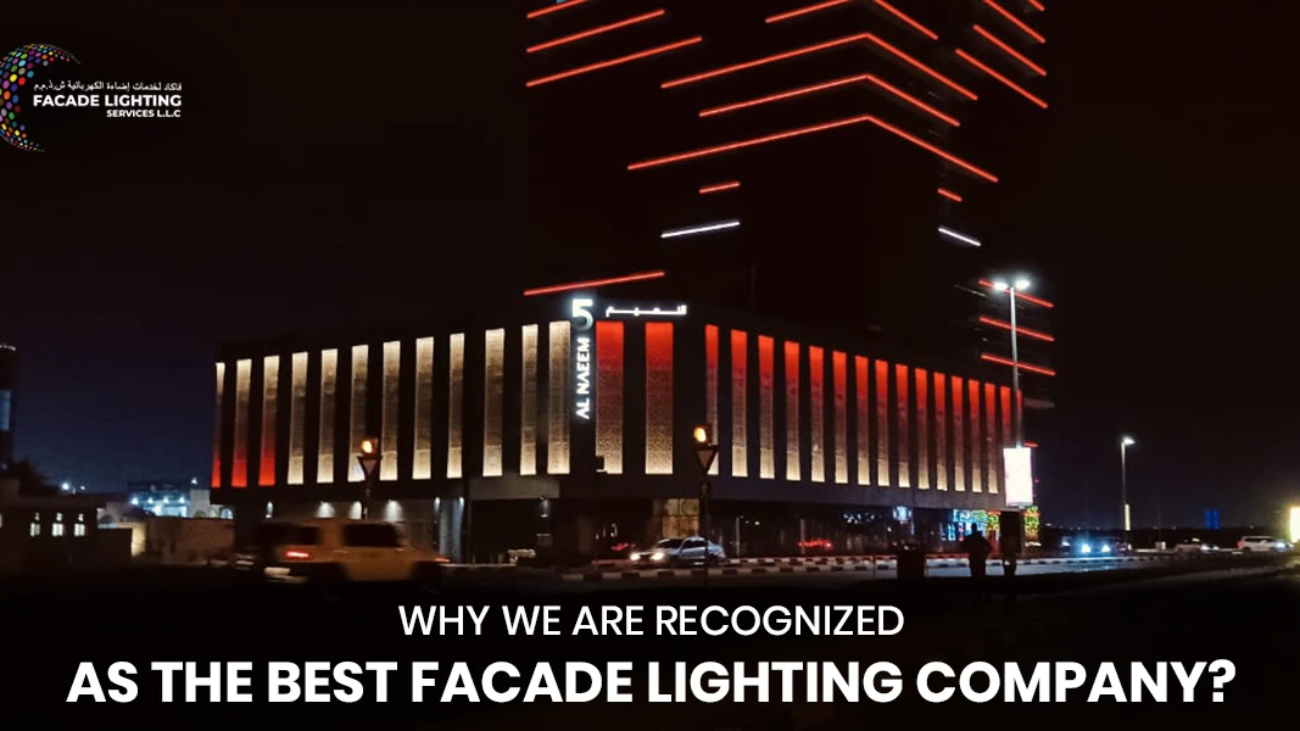
exterior lights

Exterior Lights for Commercial Buildings: Design Ideas and Trends

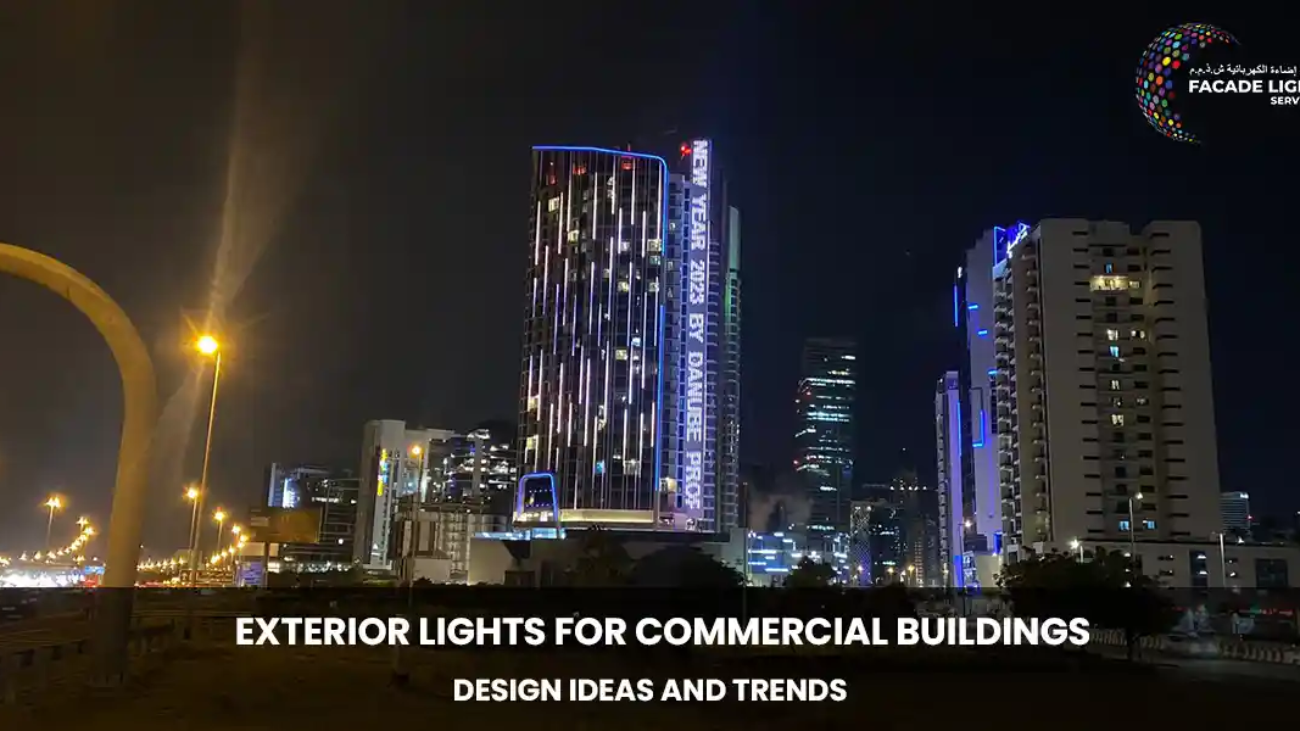
Commercial buildings across India and the Middle East are increasingly investing in advanced exterior lights to enhance aesthetics, improve safety, and strengthen brand visibility. As businesses continue to evolve into modern architectural landmarks, the role of lighting has become more significant than ever. At Facade Lighting Services, we believe that exterior illumination is not just a functional requirement but an integral part of architectural expression. Today’s innovative lighting technologies allow commercial spaces to create powerful visual identities, all while maintaining energy efficiency and long-term durability.

Modern lighting design is no longer limited to simply brightening pathways or highlighting entrances. Instead, it focuses on strategically emphasizing building features, communicating brand personality, and creating an engaging experience for viewers. With the right exterior lights, commercial buildings can transform themselves into iconic structures that stand out regardless of time or season.

The Evolution of Architectural Lighting in Commercial Spaces

Over the last decade, architectural lighting has experienced a remarkable transformation. Earlier, lighting design relied heavily on simple floodlights or decorative fixtures with limited control options. Today, intelligent lighting solutions provide dynamic control, color temperature adjustment, and programmable lighting patterns. This evolution allows commercial buildings to shift from basic illumination to artistic storytelling through light.

The rise of building facade lighting has played a major role in this shift. Businesses now understand that the facade acts as the first visual representation of their brand. As a result, facade illumination has emerged as a defining trend among retail centers, corporate offices, shopping complexes, and hospitality buildings. With improved LED technology, designers can create layered lighting effects that highlight architectural geometry, surface textures, and structural lines with incredible precision.

exterior light

How Facade Lighting Enhances Commercial Architecture?

Facade lighting isn’t only about making a building visible at night; it is about sculpting the structure with light. Proper illumination brings out the unique identity of a building by showcasing its shape, proportions, and design language. Modern facade lights offer a level of versatility that allows designers to enhance specific features such as columns, edges, glass walls, signage, and outdoor landscapes.

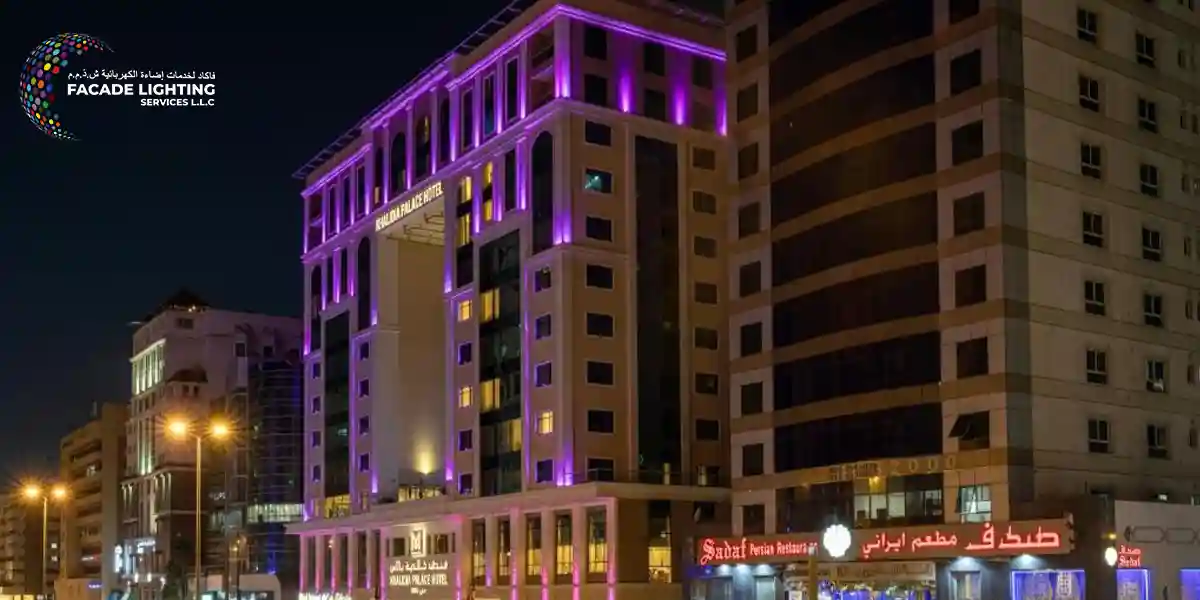
Lighting specialists also consider the surroundings when creating façade designs. For instance, in urban environments, lighting helps buildings stand out amidst high-density structures. In more spacious commercial zones, facade illumination can create a welcoming ambiance that attracts customers and increases engagement. Whether the goal is elegance, authority, creativity, or warmth, façade lighting can be tailored to reflect the brand’s tone.

Growing Popularity of Outdoor Facade Lights

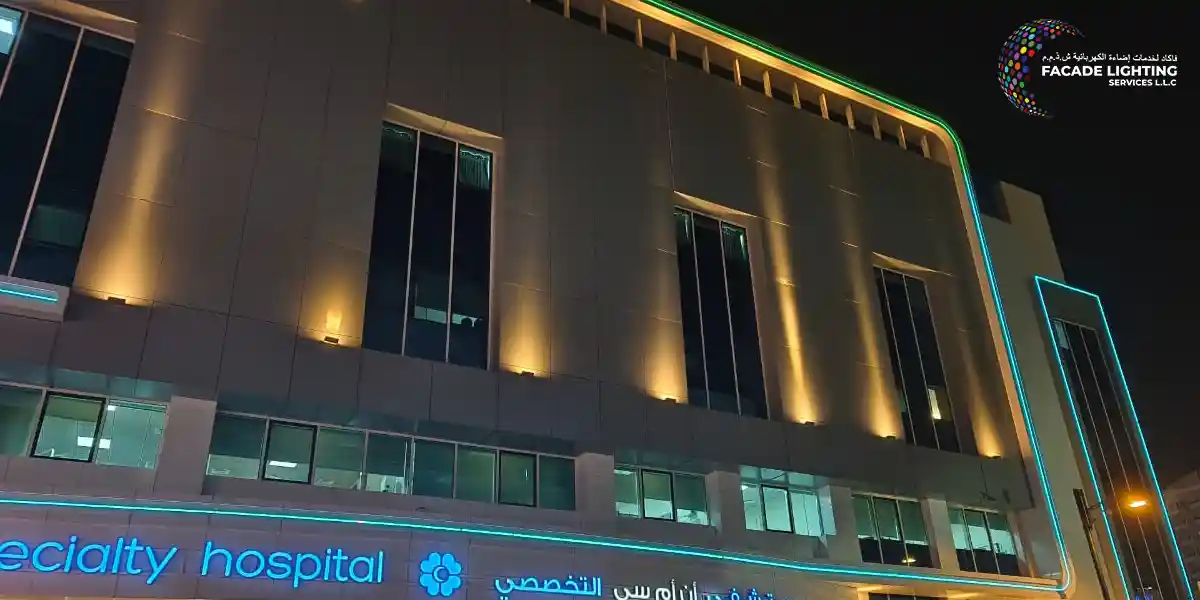
Businesses are increasingly choosing outdoor facade lights for their ability to create a sophisticated nighttime appeal. These lights come in various styles, including linear LED fixtures, architectural spotlights, recessed inground lights, and wall-mounted luminaires. Each type plays a different role in creating depth and dimension on a building’s exterior.

Linear lighting is often used to accent the building’s perimeter or highlight long architectural lines. Spotlights help to emphasize specific design elements, while recessed uplights can create dramatic shadows and contrasts. These lighting combinations bring the building to life, making it visually appealing even after sunset.

Dubai is known internationally for its design-forward architectural approach, and facade lighting in Dubai has become an integral part of the city’s identity. Commercial properties and skyscrapers use dynamic LED systems to create vibrant lighting displays that change colors and patterns. These displays often celebrate events, seasons, and cultural festivals, adding an immersive layer of visual storytelling.

Dubai’s facade lighting trends also focus on high-efficiency lighting systems that are environmentally conscious. As sustainability becomes a global priority, building owners in Dubai prefer smart lighting technologies such as automated dimming, motion sensors, and programmable lighting scenes. These innovations not only reduce energy consumption but also increase the lifespan of lighting fixtures.

India is also experiencing strong growth in architectural illumination, with major cities embracing modern lighting aesthetics. Facade lighting in India has become essential for commercial buildings, especially hotels, malls, IT parks, and public infrastructures. The trend leans toward warm, subtle lighting that highlights textures like stone, brick, or glass without overwhelming the viewer.

Indian commercial districts are integrating lighting designs that align with traditional architectural elements blended with contemporary styles. Ports, airports, municipal buildings, and commercial towers across the country are increasingly investing in façade upgrades to elevate their nighttime presence. This evolution reflects India’s growing focus on global design standards and urban modernization.

Exterior Facade Lighting and Its Impact on Branding

Well-designed exterior facade lighting plays an important role in brand reinforcement. Lighting helps create a recognizable visual signature that differentiates a building from its surroundings. For corporate brands, creating a strong nighttime identity helps reinforce authority and credibility. For retail and hospitality businesses, a well-lit façade enhances customer attraction and builds trust before a visitor even enters the premises.

Lighting consultants often customize illumination patterns that represent brand colors or highlight the company’s architectural theme. The goal is to create continuity between the brand’s indoor and outdoor expression, allowing the building to communicate the intended message effectively.

Architectural Facade Lighting for Modern Commercial Buildings

Modern commercial buildings demand lighting that complements their architectural narrative. Architectural facade lighting integrates with the building’s design to create a cohesive visual composition. This involves understanding the building’s materials, textures, height, and geometry to ensure that the lighting enhances rather than overpowers its features.

Architectural lighting experts carefully balance brightness, contrast, shadow, and color temperature to create layered lighting effects. They use advanced simulation tools to predict how the lighting will appear in different environmental conditions. This ensures that every design is both visually impressive and technically sustainable.

Role of Outdoor Wall Lights in Commercial Architecture

Another essential component of building exteriors is outdoor wall lights. These fixtures contribute significantly to both safety and aesthetics. They illuminate walkways, entrances, corridors, and perimeters, making commercial properties safer for employees, clients, and visitors. In addition to functionality, modern wall lights are available in designs that enhance the architectural character of the building.

Outdoor wall lighting can create a welcoming effect for commercial spaces. Warm lighting tones are often preferred for hospitality buildings, while brighter and cooler tones work effectively for corporate environments. By choosing the right wall-mounted fixtures, building owners can create a visually cohesive lighting system that flows seamlessly from façades to pathways.

Purpose and Benefits of High-Performance Outdoor Lights

Modern commercial properties require high-quality outdoor lights to ensure adequate illumination across parking areas, driveways, loading zones, and building entrances. These lights play a vital role in safety, as well-lit exteriors reduce the risk of accidents and unauthorized access. The shift toward LED technology has made outdoor lighting more energy efficient, offering long operational life with minimal maintenance.

Businesses also benefit from visually appealing outdoor lighting, which enhances a building’s overall attractiveness. Good illumination gives visitors a sense of confidence while creating a positive first impression.

Outdoor Flood Lights in Commercial Applications

High-intensity outdoor flood lights are widely used in commercial complexes to illuminate large open spaces. These lights ensure uniform brightness across wide areas, which is essential for safety and navigation. Floodlights are commonly installed in parking lots, building perimeters, sports complexes, industrial zones, and loading bays.

Modern LED floodlights offer superior durability, weather resistance, and energy savings. They can be integrated with smart controls to optimize power consumption. This makes them a practical choice for commercial properties that operate late into the night or require high visibility.

Choosing the Right Outdoor Lighting Company

Selecting an experienced outdoor lighting company is critical for achieving high-quality results. Professional lighting providers offer tailored solutions that consider architectural design, environmental factors, energy efficiency, and long-term sustainability. They also ensure that lighting installations comply with safety guidelines and building codes.

A reputable lighting company can guide building owners through the entire process—from conceptual design and product selection to installation and maintenance. Their expertise helps ensure that lighting systems remain functional, visually appealing, and cost-effective over time.

Professional Facade Lighting Installation and Why It Matters?

Proper facade lighting installation is essential to achieve the desired visual impact and ensure long-term reliability. Incorrect installation can lead to poor illumination, glare issues, water damage, electrical risks, and inconsistent lighting effects. This is why it is crucial for building owners to work with expert lighting technicians who understand the complexities of façade lighting.

Professional installation teams use precision techniques to ensure that lighting fixtures are aligned correctly, securely mounted, and protected from environmental elements. Their technical knowledge guarantees that lighting systems perform efficiently while reducing maintenance needs.

Modern Exterior Lights and the Future of Commercial Lighting

As lighting technology continues to advance, the future of commercial exterior illumination looks promising. Modern LED innovations, smart lighting systems, color-tunable fixtures, and automated control units are redefining how buildings interact with their surroundings. Businesses can now create dynamic lighting scenarios, adjust brightness levels based on occupancy, and synchronize lighting with brand events or seasonal celebrations.

The integration of exterior lights with sustainable practices is also gaining momentum. Solar-powered lighting solutions, low-energy LED technology, and eco-friendly materials are becoming standard components of modern commercial lighting strategies. As businesses move toward greener operations, exterior illumination will play a key role in ensuring environmental responsibility without compromising visual quality.

Conclusion

Exterior lighting has become a powerful tool in shaping the identity and functionality of commercial buildings. From façade illumination to pathway lighting, each aspect contributes to a structure’s overall presence, safety, and appeal. With the help of advanced lighting technologies and professional expertise, businesses can transform their buildings into captivating visual landmarks.

At Facade Lighting Services, we specialize in delivering high-quality design concepts, premium lighting products, and expert installation services tailored for commercial architecture. Whether it’s dynamic façade illumination, durable outdoor lighting, or innovative architectural solutions, we provide the right blend of creativity and performance to enhance your building’s exterior.

outdoor facade lights

Why Outdoor Facade Lights are Essential for Architecture and Branding?

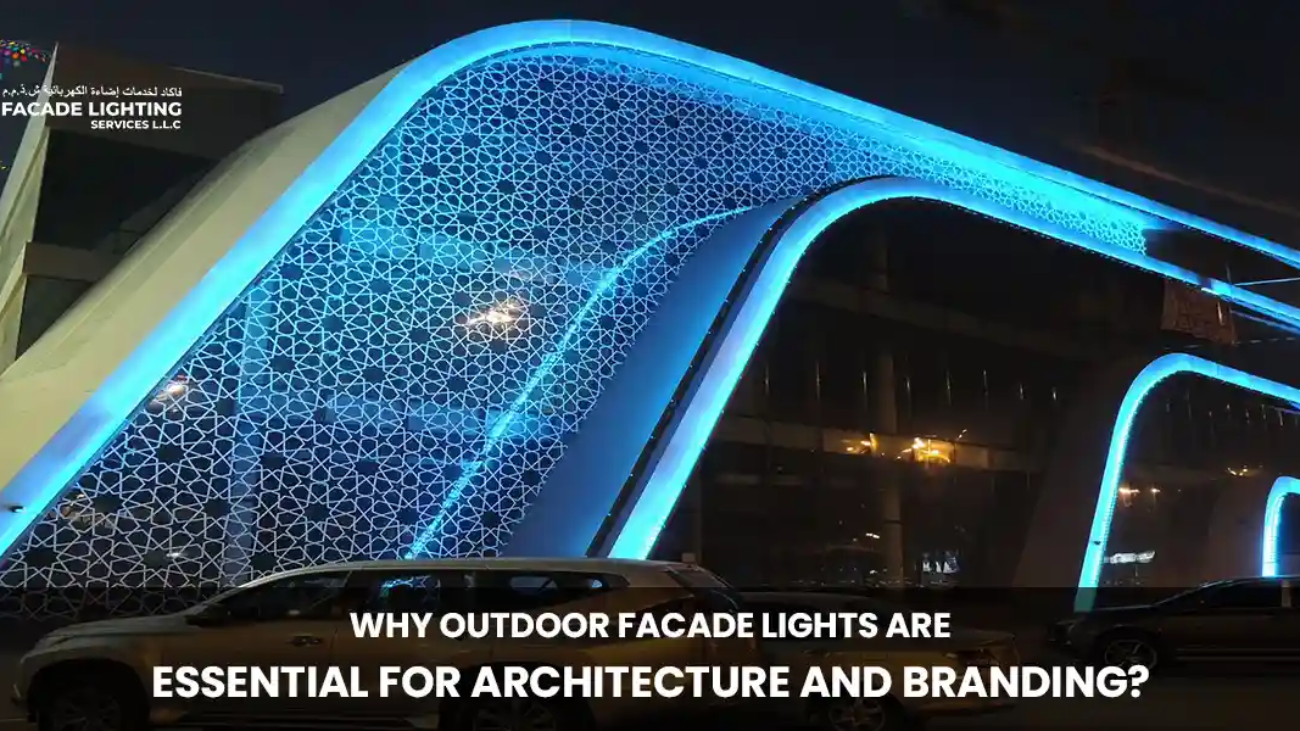
Architecture today goes far beyond structural design; it is a powerful storytelling tool that communicates identity, purpose, and emotion. In this evolving landscape, outdoor facade lights have become one of the most influential elements shaping how buildings are perceived during the night. Whether it’s a commercial tower, residential complex, hotel, retail store, or public structure, the way a facade is illuminated plays a decisive role in defining the building’s style and the brand it represents. At Facade Lighting Services, we believe that the right exterior illumination does far more than decorate a building—it elevates its architectural value and strengthens its brand presence.

Architectural lighting has now become a specialized domain, connecting beauty with functionality. The illumination of a structure directly affects its visibility, recognition, and emotional impact. This is why architects, designers, and developers worldwide are investing more time and effort into creating lighting concepts that represent their vision. With this rising demand, facade lights have become essential features in both modern and traditionally designed structures.

Every building has a visual identity, and lighting ensures this identity remains visible even after sunset. This is particularly important in metropolitan cities where structures compete for attention. Businesses and property developers understand that the presentation of a building significantly influences customer perception. This leads us to the role of façade illumination not only in aesthetics but in branding as well.

The Evolution of Facade Lighting in Modern Architecture

Architectural lighting has evolved rapidly over the past decade. What used to be a simple way to brighten exteriors has now transformed into an art form that enhances textures, shapes, patterns, and materials. This evolution is visible in regions like India, where facade lighting in India has seen exponential growth due to urban expansion and the rise of premium commercial and residential projects.

Today, lighting designers work closely with architects from the early planning stages. They study building forms, façade materials, climatic conditions, and the intended emotional response to craft a lighting strategy that complements the overall architecture. With high-efficiency LEDs, smart controllers, and dynamic color-changing technologies, modern façade concepts are capable of turning even ordinary buildings into visual landmarks.

outdoor facade light

This same evolution is visible in the Middle East, particularly through facade lighting in Dubai, a region known for futuristic architecture and extravagant lighting solutions. Dubai’s skyline is a global example of how façade illumination can be used for identity, tourism, entertainment, and branding. Buildings don’t just look beautiful; they become part of a city’s cultural fabric.

The increasing demand for customized, efficient, and reliable lighting solutions has encouraged building owners and developers to explore new methods of exterior illumination. As technology advances, the possibilities are becoming endless.

How Facade Lighting Enhances Architectural Features?

A building’s exterior design includes various elements such as pillars, cornices, balconies, textures, elevations, edges, and materials. The strategic placement of facade lighting ensures that each of these architectural features is highlighted in a way that elevates the building’s personality.

Lighting can add depth to a flat surface, draw attention to important structural elements, and create dramatic contrasts that make the building more visually engaging. For example, a simple vertical beam of light on a tall pillar can emphasize height, while soft grazing light on a textured wall can reveal intricate design details that remain hidden during the day.

In addition to highlighting design elements, facade illumination plays a psychological role. Warm tones may be used for hospitality structures to evoke comfort and luxury, while cooler tones may be used for corporate buildings to project professionalism and stability. This emotional connection is what makes lighting such an essential part of the architectural experience.

The Role of Outdoor Lighting in Creating Nighttime Identity

In daylight, architecture speaks through materials, shapes, colors, and scale. But at night, lighting becomes the building’s language. Cities across the world rely on outdoor lighting to define their skylines and enhance their nighttime ambience. A well-lit building stands out, creating a strong visual identity for residents and visitors alike.

Many iconic global landmarks are recognized mainly due to their nighttime illumination. From bridges to towers to heritage buildings, lighting transforms still structures into dynamic visual experiences. People subconsciously associate buildings with their lighting effects, whether it’s a glowing outline, soft wash lighting, or dramatic shadows.

The identity created by light is especially crucial for retail brands, hotels, and commercial spaces. For these industries, lighting is not just aesthetic; it is a marketing tool. Customers tend to be drawn toward well-lit, vibrant spaces. Thus, the right façade illumination contributes directly to footfall and brand recall, which is why building facade lighting is now considered a core branding strategy.

Why Facade Lighting Impact Branding and Visibility?

Branding is largely about perception. The way a brand presents itself determines how people interpret and interact with it. For businesses that operate from physical buildings, the façade becomes the first medium of communication. This is where impactful and memorable lighting designs come into the picture.

Good lighting increases visibility from long distances, making the building recognizable despite competing city lights. It ensures that the brand’s architectural presence remains consistent around the clock. This is especially important in competitive commercial zones where every structure seeks attention.

Moreover, through dynamic lighting techniques, brands can choose to display specific colors or themes on festive days, corporate events, or special occasions. With digital controllers and DMX programming, buildings can showcase lighting patterns aligned with brand colors, creating a stronger identity. This is why exterior facade lighting has become integral to brand expression.

Types of Lighting Used in Modern Facade Design

There are several methods used to illuminate building exteriors, each serving a unique purpose depending on the architecture. Whether the goal is to highlight vertical lines, create soft ambient glows, or add color-changing effects, designers carefully choose technologies that align with the brand and the building’s character.

Different lighting types include wall washers, linear profiles, grazing lights, spotlights, floodlights, and programmable RGB systems. The choice depends on height, width, textures, and architectural geometry. This is where knowledge of various types of lighting becomes essential for achieving a balanced and aesthetically pleasing outcome.

The correct fixtures must be selected based on durability, efficiency, color rendering, weather resistance, and maintenance requirements. Advancements in LED technology have made it possible to create powerful illumination while remaining energy-efficient and long-lasting.

Why Outdoor Wall Lights Matter for Residential and Commercial Buildings?

Façade illumination is not limited to large structures. Even small buildings benefit from well-designed outdoor wall lights that enhance security, visibility, and aesthetics. For residential properties, these lights create welcoming entrances, highlight garden pathways, and add elegance to balconies and terraces.

In commercial settings, outdoor wall fixtures define the character of the structure and ensure guests feel safe and informed when entering or exiting. Proper placement helps illuminate signage, entrances, driveways, and architectural frames. They also add a level of refinement that signals professionalism and care.

Outdoor Facade Lighting and Its Importance in Urban Architecture

The demand for outdoor facade lighting continues to rise as urban environments grow denser and more modern. Cities today strive for a polished and coordinated nighttime appearance. Proper façade illumination contributes to architectural harmony, public safety, and city branding.

Well-designed façade lighting helps reduce visual clutter by providing a clear nighttime composition. It makes buildings easier to navigate and distinguishes public spaces from private ones. Urban planners increasingly rely on lighting designers to shape nighttime experiences that are both inspiring and functional.

Understanding Facade Light Price and Material Selection

Investing in the right lighting products involves understanding performance, durability, and cost. Many property developers often inquire about facade light price, which varies depending on the fixture type, wattage, materials, beam angle, control system, IP rating, and brand specifications.

High-quality fixtures may seem expensive initially, but they offer long-term benefits including reduced maintenance, better energy efficiency, and enhanced illumination quality. It is important to choose products that withstand climatic challenges such as humidity, dust, heat, and rain.

Companies like Facade Lighting Services focus on providing durable, weather-resistant products that deliver reliable performance. Quality lighting ensures that the façade continues to shine brightly for many years without frequent replacements or failures.

The Importance of Professional Facade Lighting Installation

Even the best-designed lighting concepts can fail without proper execution. This highlights the importance of professional facade lighting installation that ensures accurate placement, secure wiring, correct angle adjustments, and optimal system integration.

Professional installation minimizes risks such as water ingress, electrical faults, glare, uneven illumination, and fixture misalignment. A certified team ensures that all safety standards are followed, making the system efficient and maintenance-friendly.

Skilled installation teams also set up DMX lighting control systems for dynamic color-changing facades. These systems require careful configuration to maintain synchronization, color accuracy, and stable performance.

Why Outdoor Facade Lights Are the Future of Architectural Branding?

The increased use of outdoor facade lights in modern architecture signifies a shift toward more immersive and interactive building experiences. As cities become more competitive, businesses are looking for ways to stand out. Lighting, being the most expressive nighttime visual element, plays a crucial role in capturing attention.

Lighting adds personality to architecture and communicates brand identity without the need for words. A well-designed façade lighting system becomes a silent ambassador for the brand, influencing customer perception and increasing recognition. It signals innovation, sophistication, and excellence—all qualities that businesses aim to project.

Conclusion

Modern architecture is incomplete without proper facade illumination. Whether the purpose is aesthetic enhancement, safety, identity formation, or brand visibility, lighting has become a core element of the design process. As India continues to grow and evolve architecturally, the demand for innovative lighting solutions will rise accordingly. With the expertise of Facade Lighting Services, buildings can transform into visually striking icons that shine with purpose, creativity, and distinction. Contact us!